
Are you Safe? Does Your Emergency Cut-off Valve Work?
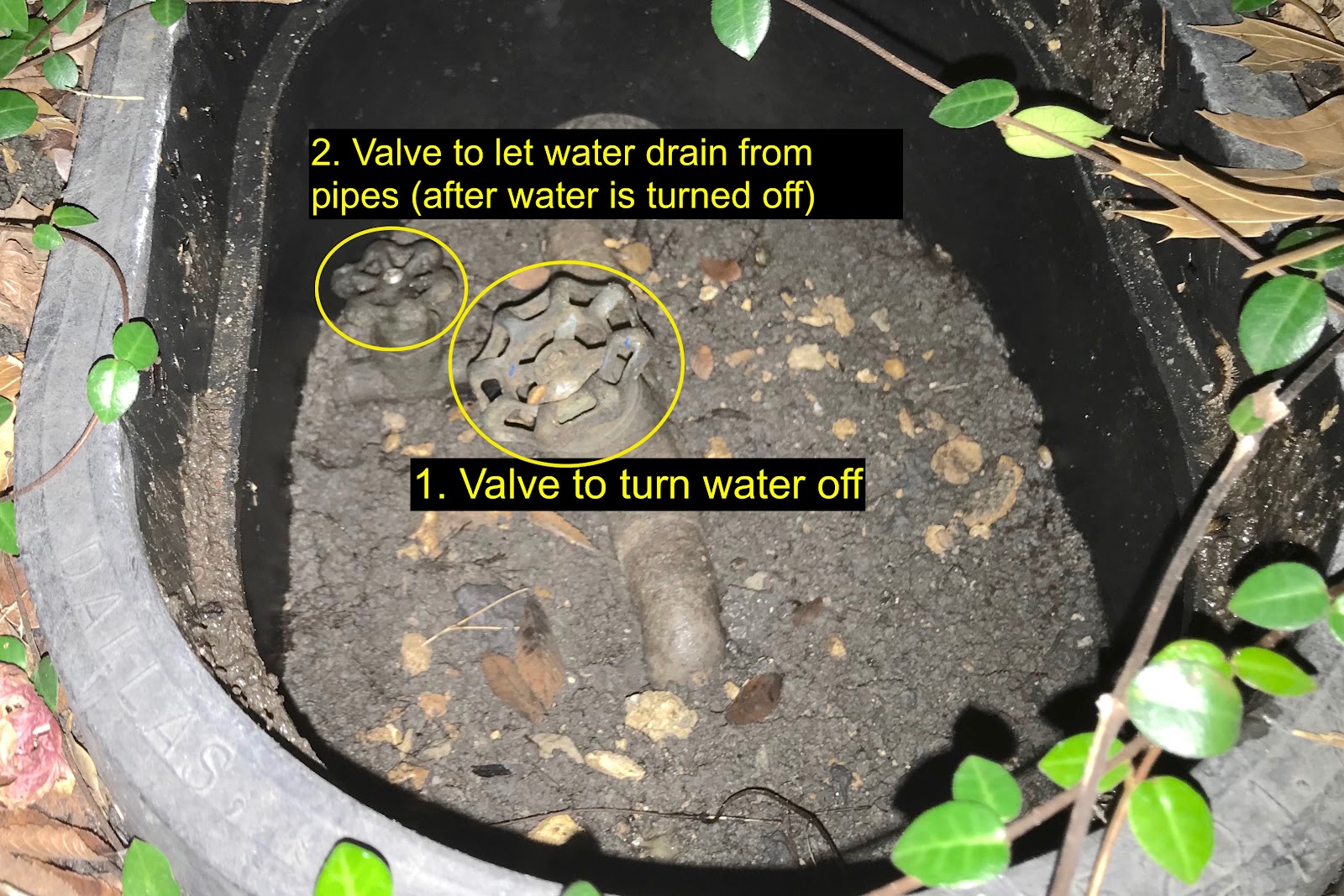
Have you checked? In more than 50% of cases here at Lakes of Bent Tree, these valves did not function when tested. Want to know where your valve is? See the images at the bottom of this article.
When a water pipe bursts, every second matters. A failed washing machine hose, frozen pipe, broken water heater connection, or cracked supply line can release hundreds — sometimes thousands — of gallons of water into a home. We have had owners stand by helplessly while water ran for an hour, or three, or in one case, twelve (during the February 2022 freeze).
The difference between a minor cleanup and a catastrophe comes down to one thing:
How quickly the water can be shut off.
Your condominium was designed with an emergency water shut-off valve located near the foundation where the water service enters the building. This valve exists to allow you or your occupants to stop the flow of water immediately without needing special tools or access to the city water meter.
Unfortunately, some homeowners do not know where this valve is located, or who is responsible to insure it works, or mistakenly assume the water meter near the street is sufficient during an emergency
It often is not.
Why You Cannot Depend on the Water Meter During an Emergency
The municipal water meter shutoff is primarily intended for utility service control — not rapid emergency response inside the home.
During a plumbing emergency, relying on the street-side water meter creates several serious problems:
- Boxes may be flooded with water or mud.
- Frozen conditions can make meter lids inaccessible.
- A special tool is required to unlock and operate the meter shutoff.
- The valve may be damaged, seized, or difficult to turn all the way off.
- Locating the correct meter at night or during a storm can be difficult.
Thousands of Dollars in Damage Can Occur Very Quickly
Water damage escalates extremely fast.
A failed pipe can damage:
- Drywall and insulation
- Wood flooring and subflooring
- Cabinetry and millwork
- Electrical systems
- HVAC systems
- Furniture and personal property
- Shared walls or adjacent Units.
- $5,000 – $15,000 in mitigation and drying costs
- $20,000 – $50,000+ in reconstruction expenses
- Insurance deductible claims
- Mold remediation expenses
- Displacement from the home
In condominium communities, delayed shutoff can also impact neighboring units and common elements, multiplying the cost dramatically.
Texas Plumbing Code and Inspection Standards
Texas plumbing standards and inspection practices recognize the importance of an accessible main shutoff valve.
Texas home inspection standards require inspectors to identify and report the location of the home’s main water supply shutoff valve.
Multiple Texas utility and municipal guidance documents also note that Texas plumbing code requires homes to have a homeowner-accessible main shutoff valve located near where the water service enters the structure.
Every Homeowner Should Do This Today
Every resident should:
- Locate the home’s emergency shutoff valve
- Verify it can be operated by hand
- Ensure the valve box is visible and accessible
- Keep the area free of dirt, mulch, or overgrowth
- Teach all adult occupants where the valve is located
- Test the valve periodically to ensure it has not seized
Where's Waldo (Water line doodad)


Comments
Post a Comment
............*** HOW TO ENTER COMMENT ***............
1. Click on "Enter Comment"
2. Select: "Name/URL"
3. Type name and address (no URL needed)
4. Click on "Continue"
5. Type in your comment
6. Click on "Publish"
Unidentified comments will be deleted as spam.